
Some of you are not aware of it but, organic products (products which contain organic molecules) are present in almost everything which we use on a regular basis.
Yes, I am talking about the long compound names which most of the students find difficult to remember.
In spite of, the reason that even we don’t remember the name, then also we are using the compounds regularly.
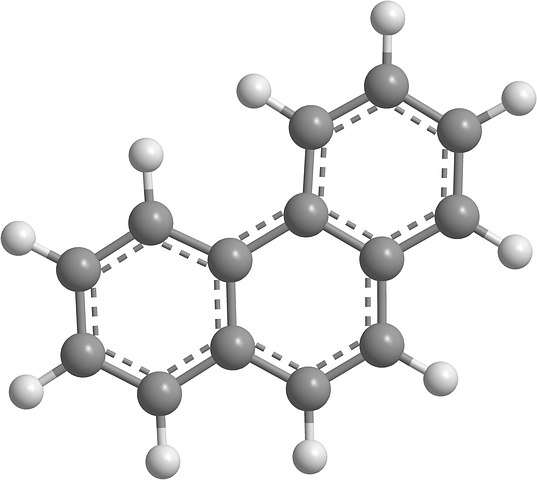
These compounds are omnipresent.
They are present in each and everything that can come into consideration.
Here are some examples of products that contain organic compounds.
Table of Contents
Furniture and electronics are organic products too!!
If you look around your house, you will see chairs, tables, sofa, television, fridge, and many more. Ever wondered what are they made of?

For your curious mind I have got you the answers.
The furniture and the electronic stuff you are seeing around you are made of some sort of organic molecules.

Furniture
First of all, let’s talk about furniture.
The chairs, table and other stuff which you have in your house are either consider to be of wood or plastic and both are organic molecules.
Wood is a combination of lignocellulose, fatty acids, resin acids, waxes, and terpenes.
All the above-mentioned names are organic molecules which ultimately make our furniture organic, isn’t it’s interesting????

And if we talk about the furniture made of plastic then also the organic chemistry plays a vital role.
Plastic is a type of polymers, more specifically organic polymer. This is why all the furniture is also an organic compound.

Electronic devices
When it comes to electronic device you will start wondering how can electronic devices contain organic molecules?
You will start by saying that they are made up of semiconductors.
Let me tell you, yes you are right, electronic devices consist of semiconductors, but internally not externally.
Yes, the body of most of the electronic devices is made up of hard plastic which is a polymer and again an organic product.

Organic products: Perfumes
Ever wondered the mesmerizing scent that perfumes and body deodorants have, where do they come from?
The answer to this question is again by using a variety of organic molecules.
Most of the time the decent is due to flower petals but apart from this the scent can be provided by using man-made compounds.
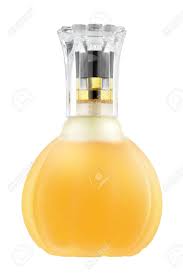

The structure of a perfume molecule consists of 3 parts viz, the head, heart, and the base.
The head is the olfactory part, the heart is fragrance and the base contains all the other chemicals.
Perfumes contain 78%-95% ethyl alcohol and 22%-5% essential oils.
Skincare and Cosmetics are organic products
Cosmetics are used to change the external appearance of a body part according to desire needs.
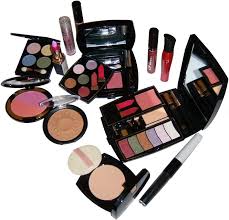
They mainly consist of water, emulsifies, preservatives, thickeners, moisturizers, colors, and fragrance. The organic part of cosmetics are:-
Emulsifiers
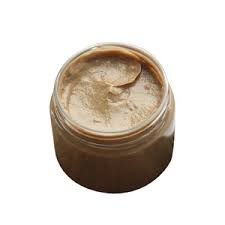
The role of emulsifiers in cosmetics is, it helps the oil and the water present to mix together forming a homogenous mixture.
This process takes place when emulsifiers lower the surface tension of both the liquids.
This process results in the formation of emulsions.
The most common emulsions used are Borax with Beeswax, Carbomer, Cetearyl Alcohol, Lecithin, Propylene glycol, and many more.
Preservatives
The addition of preservatives is done to increase the self-life of cosmetic and skincare products.
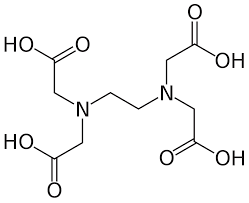
These help to present the growth of microbes on the surface of the products.
Most of the microbes are hydrophilic, this is why the added preservatives are water-soluble.
The common preservatives are parabens, salicylic acid, EDTA, benzyl alcohol, and tetrasodium.
Thickeners
The role of thickeners is to provide proper consistency to the mixture.
There are three forms of thickness viz, Lipids, minerals and natural, etc.
Lipid
They are solid at room temperature and are liquefied before adding to the emulsion mixture.
The common lipids are cetyl alcohol, carnauba wax, and stearic acid.
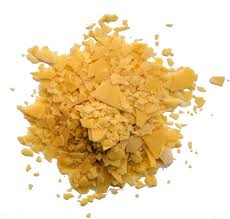
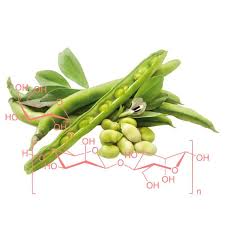
Natural thickeners
These are natural polymers which absorb water, swell, and increase the thickness to desire consistency.
The common natural thickeners are hydroxyethylcellulose, guar gum, xanthan gum, gelatin, etc.
Mineral
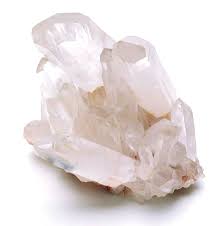
These are mineral-derived natural rocks that dissolve in water to increase thickness.
There most common ones are silica, magnesium aluminum silicate, and bentonite.
Emollients
They prevent the skin to dry up absorbing water.
They are mostly used in lipsticks, lotion, creams, foundations, and other things.
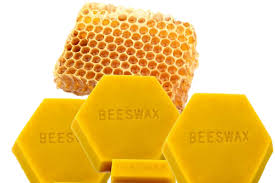
The most common examples of emollients are beeswax, petroleum jelly, coconut oil, Olive oil, etc.
Colouring and glitter pigments
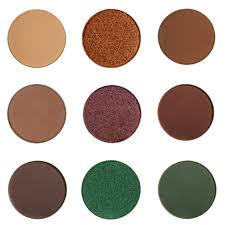
They provide glitter and a variety of color to many cosmetic materials.
Most of the usage is in eye shadows, lipsticks, nail paints, shimmers, highlighter, counters, and much more stuff.
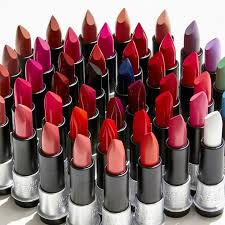
The C-H bonded coloring pigments used are lakes and toners.
Lakes are a mixture of dye color and dry pigments like aluminum oxide.
Toner is an organic pigment combined with any other pigment.
The shimmering effect is basically due to mica, more specifically white mica.
| Organic compounds | Usage | ||
| 1. Butyl acetate | Used in the production of nail straighteners and nail paints. | ||
| 2. Butylated hydroxy toluene | Slow the rate of antioxidants in creams and lotions, which can result in color changing. | ||
| 3. Formaldehyde | Disinfectants used in moisturizers and creams. | ||
| 4. Coal tar | Dissolves in dead skin and reduces itching. | ||
| 5. Toulene | Act as glossing agents in nail polish and lipsticks. | ||
| 6. Pthalates | Keeps the colors dissolved in nail polishes and lipsticks. |
Breakfast includes organic products which we eat
Most of us like to take bread or things made with bread along with milk or juice as our breakfast, right?
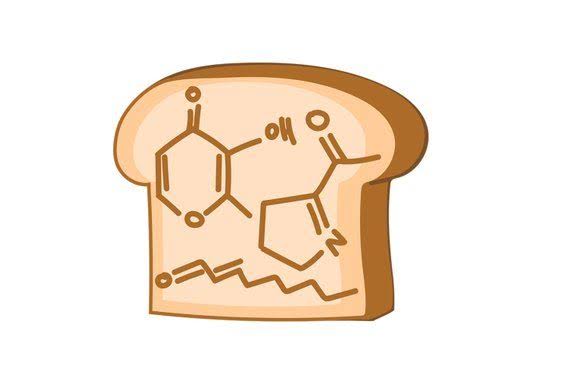
So, let me tell you the bread you eat is also an organic compound.
Bread contains water-soluble carboxyl, ester alcohols, and nitro group.

More than 70 compounds are present inside a bread which provides it the texture and flavor.
Coffee Tea and organic product chemistry
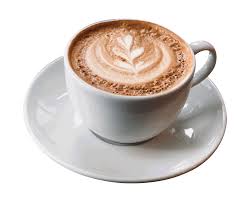
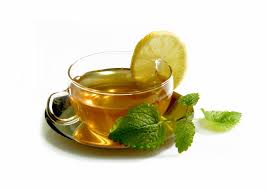
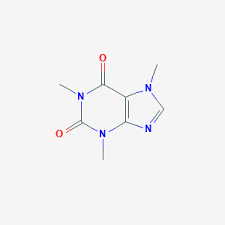
As we all know most of the part of coffee or tea is composed of caffeine.
Caffeine also knows as Trimethylxanthine Theinen, is a natural drug and is also a natural stimulant.
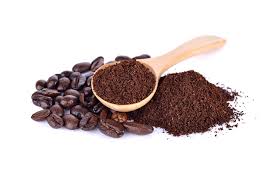
Apart from caffeine quinic acid, 3,5 Dicaffeoylquinic acid, acetoin, putrescine, and trigonelline.
Other examples are chlorogenic acids(CGA), pyrazine, methyl propanol, methional, methanethiol, and many more.
These compounds provide acidity, color, and other relevant appearance.
The bitter taste of coffee is 15% due to caffeine and 85% due to CGA.
Tea also contains different antioxidants which provide the aroma to it in a wide range.
Morning Time with Organic products
When you wake up in the morning, what is the first thing you do?
As for me I refresh myself by brushing my teeth and washing my face with my favorite face wash or soap.
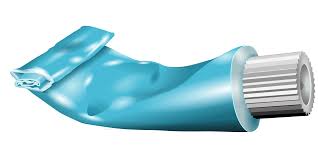
Toothpaste
Furthermore nowadays, toothpaste also comes in a variety of ranges like anti-cavity, whitening, mouth freshener, for sensitive tooth, and many more.
Each of the functions is due to some of the organic compounds.
Triclosan
Also known as 5-chloro-2-(2,4-dichloro phenoxy) phenol, it provides a shield form bacterial and fungus infection.
It reduces the risk of gingivitis.
Some of the studies also showed that it can be carcinogenic, as a result the use of triclosan has been reduced.
Sodium lauryl sulfate
SLS is an organic compound that takes the cleaning job in a toothpaste.
It has the ability to remove dirt, stains, and oil.
But some studies have shown it can cause canker sores and can damage oral tissues, therefore the use of SLS is reducing.
DEA
The full form is Diethanolamine. It had property to absorb water and to cool.
It provides a creamy texture and coming action to the toothpaste mixture.
Propylene glycol
It is propyl alcohol and helps the mixture by preventing it from melting down and maintain the same consistency.
Hydrated Silica
It is a kind of abrasive that works to polish and scrub the surface of our teeth.
It is an odorless and tasteless Silica compound.
Cellulose gum
Another name for cellulose is Carboxymethyl cellulose (CMC) besides that, cellulose gum is a naturally extracted product from trees and cotton plants.
It gives the freshness and pleasant property to the paste base.
Glycerin
It is a sweet-tasting thick liquid that has a very high boiling point.
The purpose of glycerin is to provide a smooth texture and sweet taste to the toothpaste base.
Face wash
It contains many compounds like parabens (used for preservation), phthalates (get rid of dirt and oil).
Apart from this it contains essential oils to provide different fragrances.
Soaps and Detergents are organic products
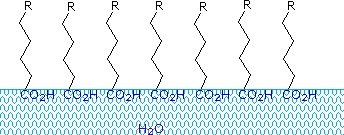
They are a long chain of fatty acids that have one hydrophobic(alkyl) and one hydrophilic(Carbon dioxide) part.
The hydrophilic part gets dissolved in water (this happens due to the fact that it is more soluble than carbon dioxide).
The hydrophobic part does the cleaning job in the detergent.
Some chemicals used in them are oleochemicals, sulfur trioxide, ethylene oxide, and petrochemicals.
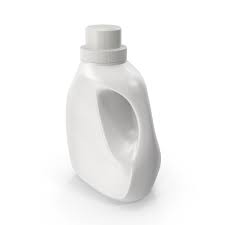
Apart from this in soaps, methyl butyrate, ethyl acetate, and other essential oils provide required scents to soaps and detergents.
To learn about the working mechanism of action of soap and detergents click here.
Conclusion
From the above discussion it can be concluded that Organic molecules or the chemistry of organic molecules plays a very important role in every living being’s life.
They are the basic component of most living beings.
We will not be able to carry out our day to day life activities in the absence of organic products.
Much essential info. for everybody .
Nice concept
Good information 😁😁😁😁😁😁😁
Appreciable, got to know many new things…
Great work👍🏻
[…] Organic products: Organic chemistry in daily life […]